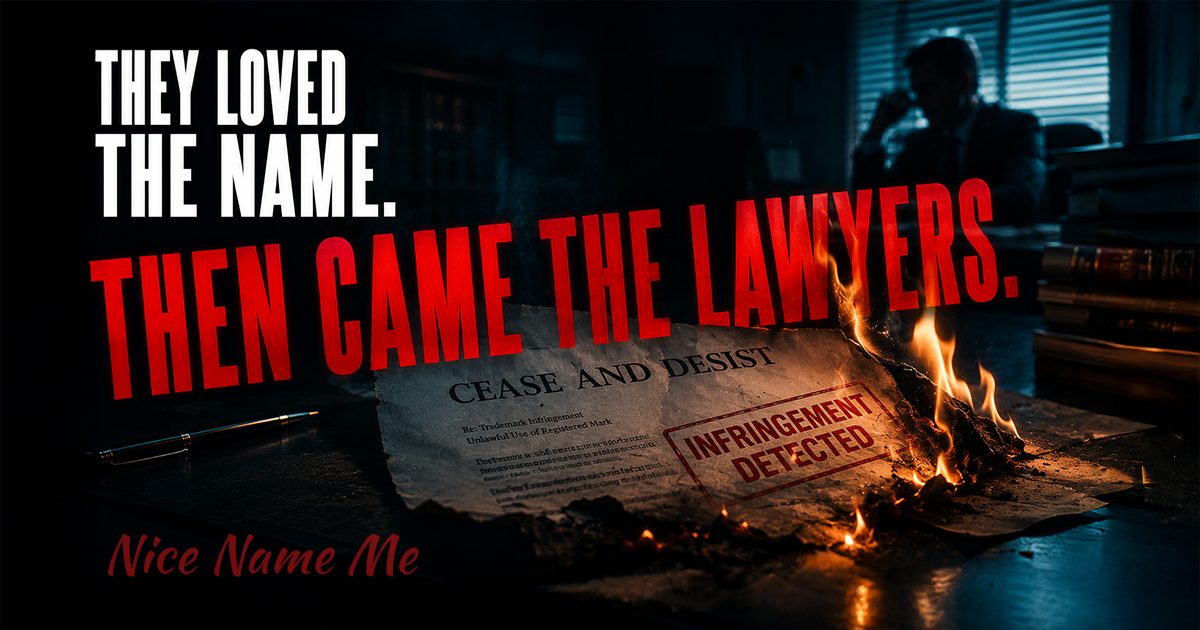
A trademark check domain name search takes fifteen minutes. A trademark lawsuit costs fifteen thousand dollars minimum. Most founders skip the search entirely, convinced their clever portmanteau is bulletproof. Discord faced early trademark challenges despite its perfect fit for gaming communication. Notion navigated carefully around existing productivity trademarks. The difference between these companies and startups that crashed? They checked first. The trademark landscape shifts constantly — what's clear today might be contested tomorrow. A proper search before committing to business cards, domains, and developer accounts saves your startup from an expensive identity crisis six months down the road.
The Real Cost of Skipping Trademark Research
Trademark disputes cost money and momentum. When a clothing startup received a cease-and-desist letter eighteen months after launch, they had one choice: rebrand everything or fight a legal battle they couldn't afford. They chose rebranding. New domain, new social handles, new business cards, new packaging. The hidden costs spiraled.
Beyond direct expenses, trademark conflicts create operational paralysis. Your marketing team can't launch campaigns. Your development team can't finalize app store listings. Your sales team explains the situation instead of closing deals. Meanwhile, your competitors keep moving.
HomeSpotter.ai is a good example of a name that clears trademark checks — two common words combined in a new way, no registered brand conflict.
Timing amplifies the damage. Early-stage trademark conflicts are awkward but survivable. Post-funding trademark conflicts become investor concerns. Post-launch trademark conflicts turn into customer confusion nightmares.
How to Search Trademarks the Right Way
Start with the USPTO trademark database at tmsearch.uspto.gov. Search your exact name, obvious variations, and phonetic similarities. Don't stop at identical matches — look for anything that sounds similar or operates in adjacent markets. A fitness app called "FitFlow" needs to worry about "FlowFit" even if they're different companies.
International trademark databases matter too, especially if you plan global expansion. The European Union Intellectual Property Office and World Intellectual Property Organization databases catch marks that won't show up in US searches. Skipping this step means regretting it later when expanding to new markets.
Google trademark searches reveal informal usage and common law claims. Someone might use your desired name without formal trademark registration but still have legitimate claims. Search "[your name] trademark," "[your name] brand," and "[your name] company" to surface potential conflicts.
Use Dynadot's domain search to check domain availability at the same time. If the .com is taken by an established business using your desired name, that's a red flag worth investigating further.
Understanding Trademark Classes and Conflicts
Trademark classes determine where conflicts actually matter. Apple the computer company and Apple the record label coexisted for decades because technology and music were separate trademark classes. When Apple Computer started selling music through iTunes, the legal complexity exploded.
Your startup name might conflict in unexpected classes. A food delivery app called "Swift" could face issues with Taylor Swift's trademark empire, which covers far more than music. Entertainment trademarks often stretch into technology, lifestyle, and commerce categories.
Similar names in similar classes create the highest risk. Two productivity apps with nearly identical names will likely conflict regardless of their specific features. A productivity app and a fitness app with similar names might coexist peacefully, depending on how broadly each trademark is registered.
Trademark attorneys cost money upfront but prevent expensive problems later. They catch conflicts you'll miss, understand trademark law nuances, and advise on defensible naming strategies. If your startup involves significant investment or operates in crowded markets, professional trademark clearance pays for itself.
DIY trademark searches work for simple cases and early validation. Complex names, international markets, or valuable brands deserve professional review. The attorney fees pale compared to rebranding costs or litigation expenses.
Some naming decisions require calculated risks. Professional attorneys help you understand which risks are worth taking and which ones will cause problems. They can also suggest modifications that preserve your vision while avoiding conflicts.
Trademark checking isn't about perfect legal protection — it's about smart risk management. Most conflicts are avoidable with basic research and strategic thinking. Founders who check trademarks early aren't paranoid. They're prepared for the legal realities of building companies in competitive markets. Your startup name will evolve anyway through customer feedback and market positioning. Better to evolve intentionally than be forced to change by someone else's legal team.
Ready to validate your startup name across multiple dimensions? Read our guide on how to name your startup and learn about common startup naming mistakes to avoid while you're still in the planning phase.
Find Your Perfect Domain
Free three-tier appraisal — quick sale, realistic market, ideal buyer. No guesswork.
Try Free Appraisal Browse Premium Domains